
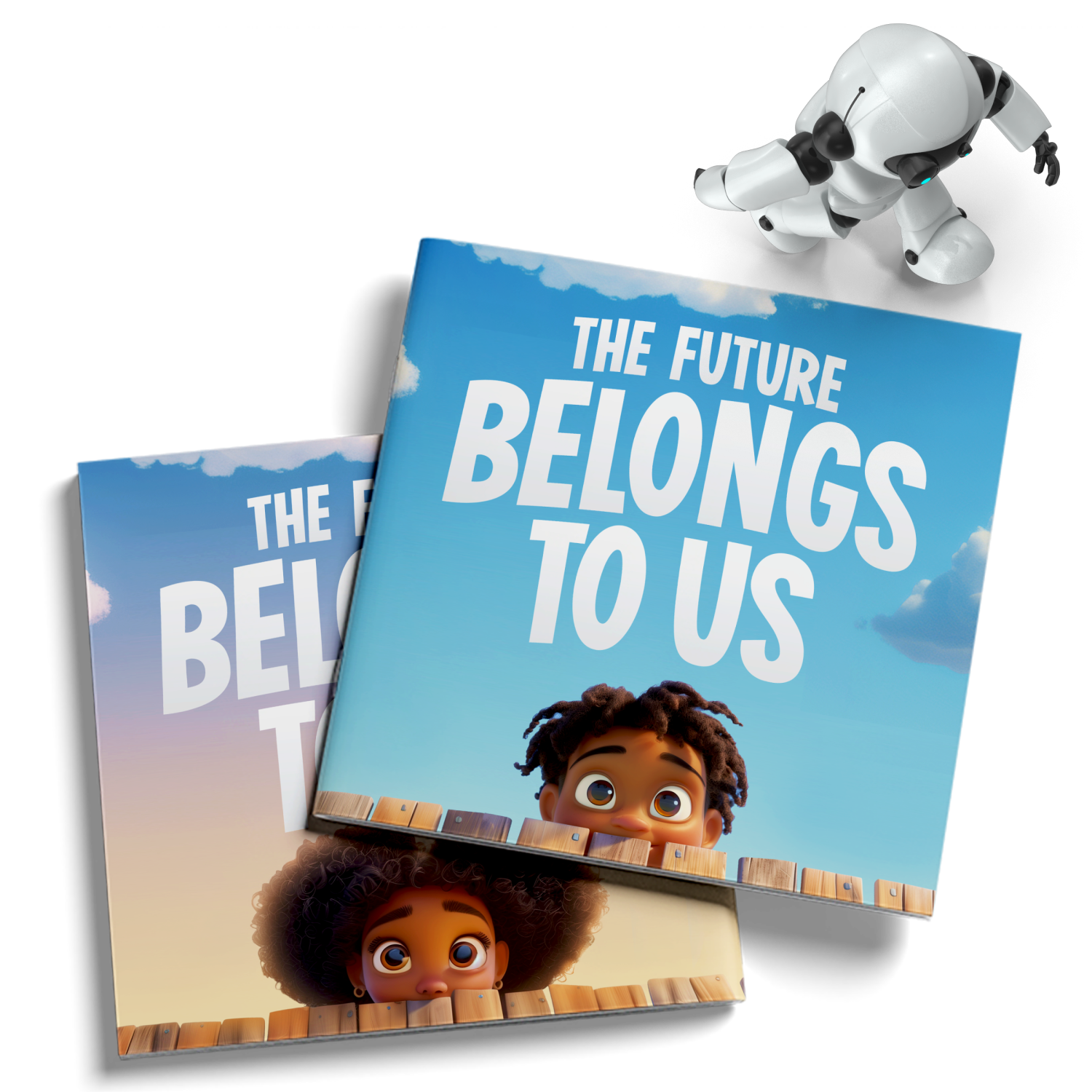
The Future
Belongs to Us
Using generative AI to develop culturally grounded, future-facing storytelling
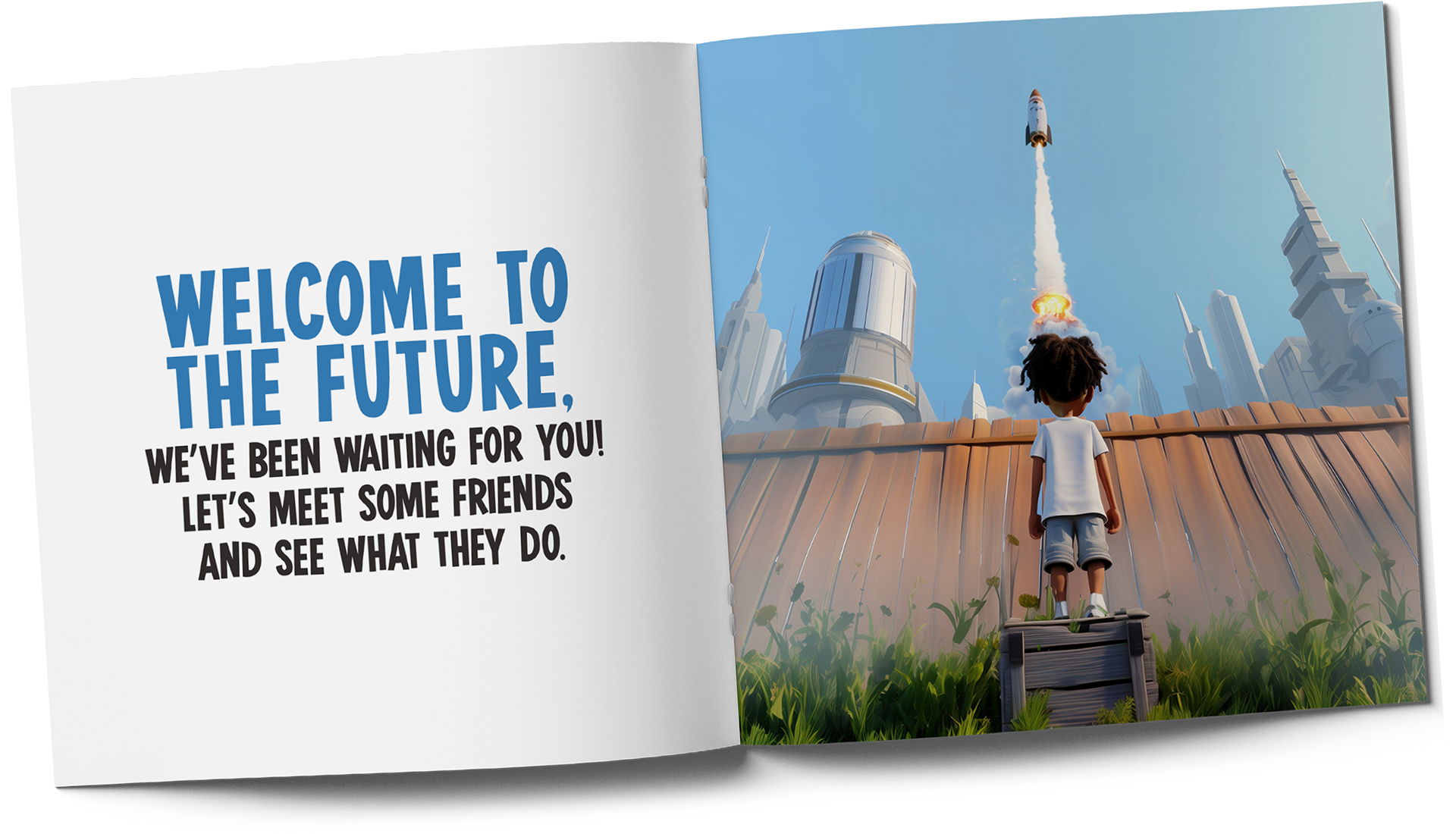
The Future Belongs to Us is an original children’s book that explores how storytelling, identity, and emerging technology can come together to shape how the next generation sees itself.
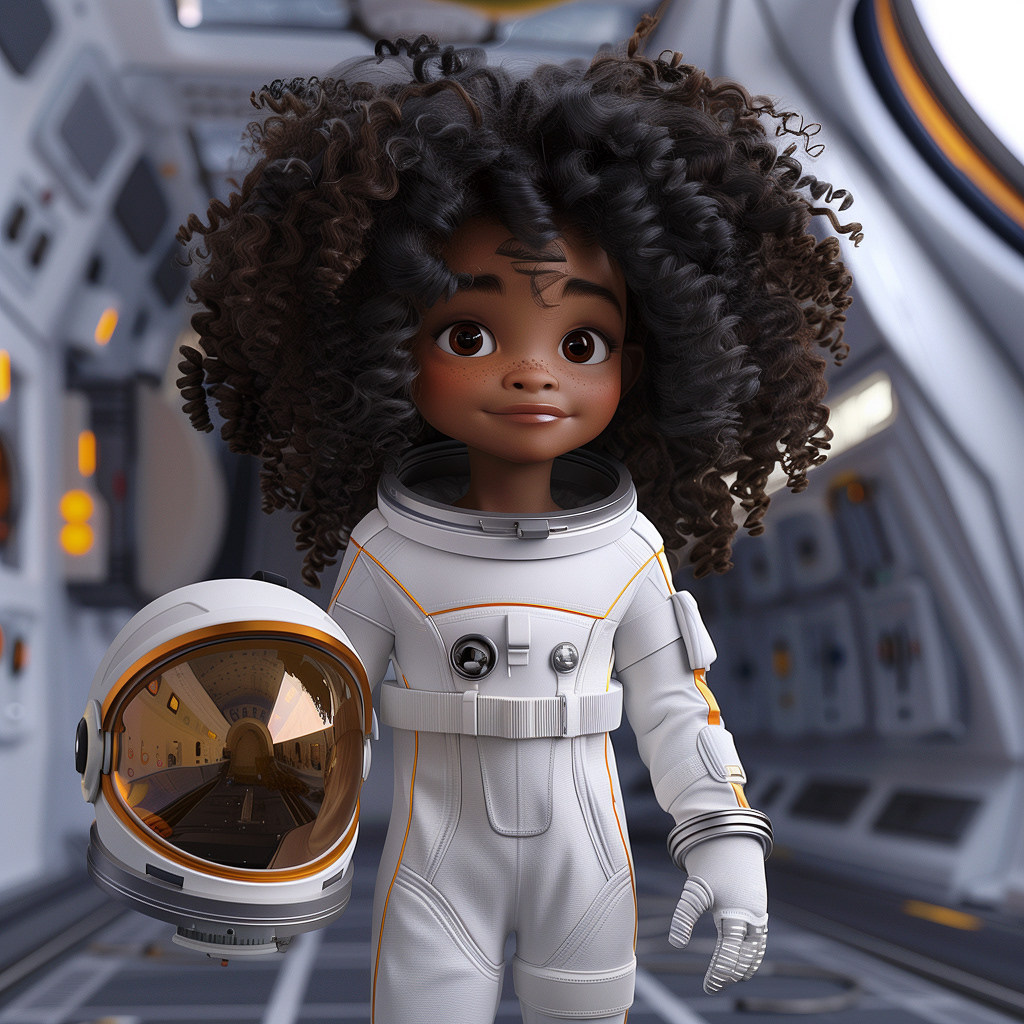
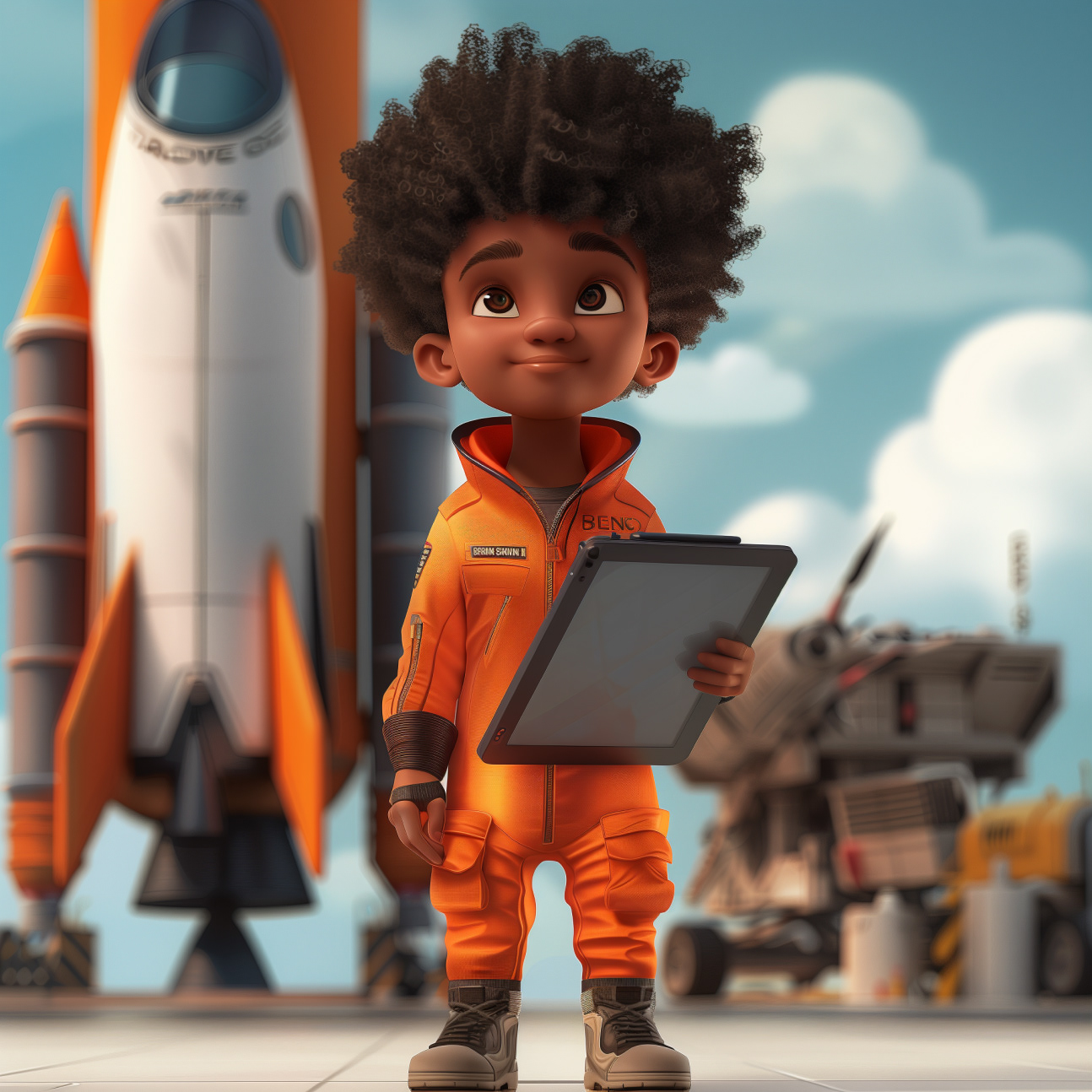
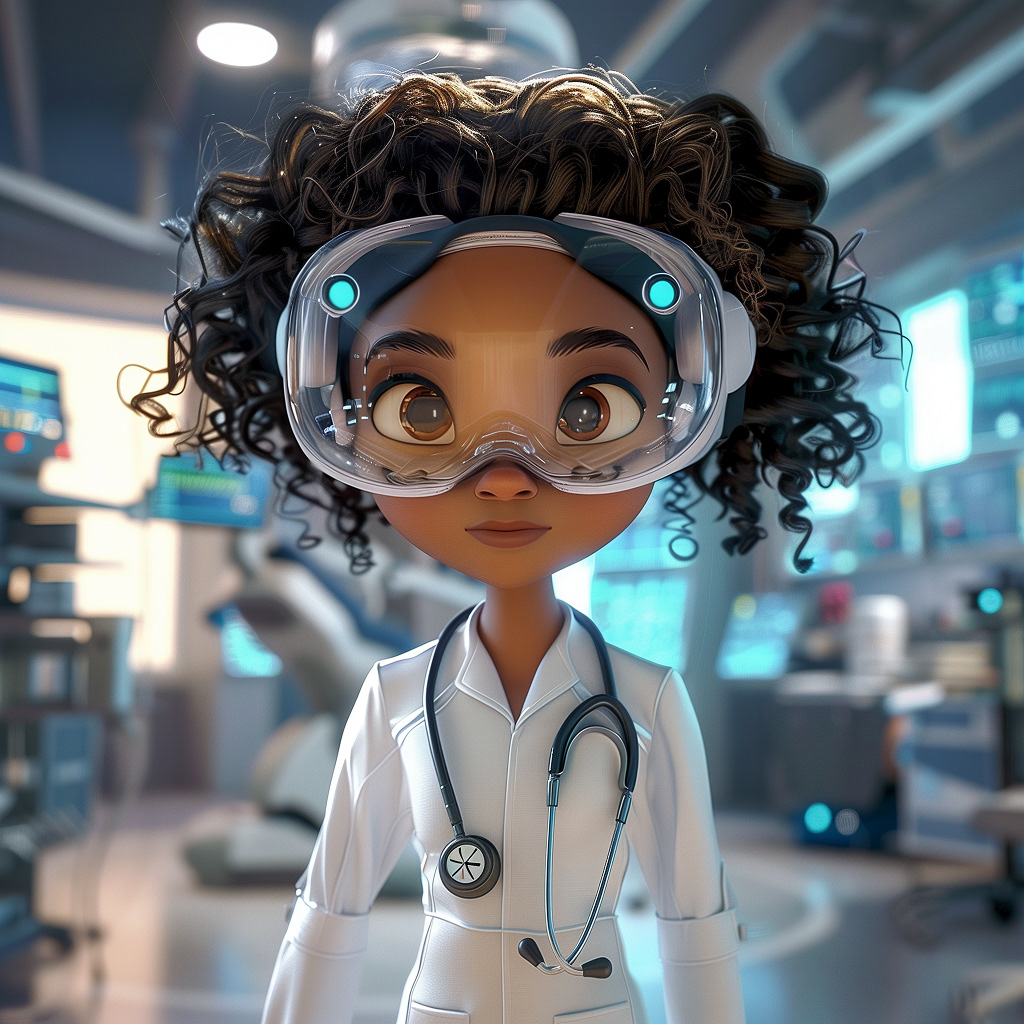
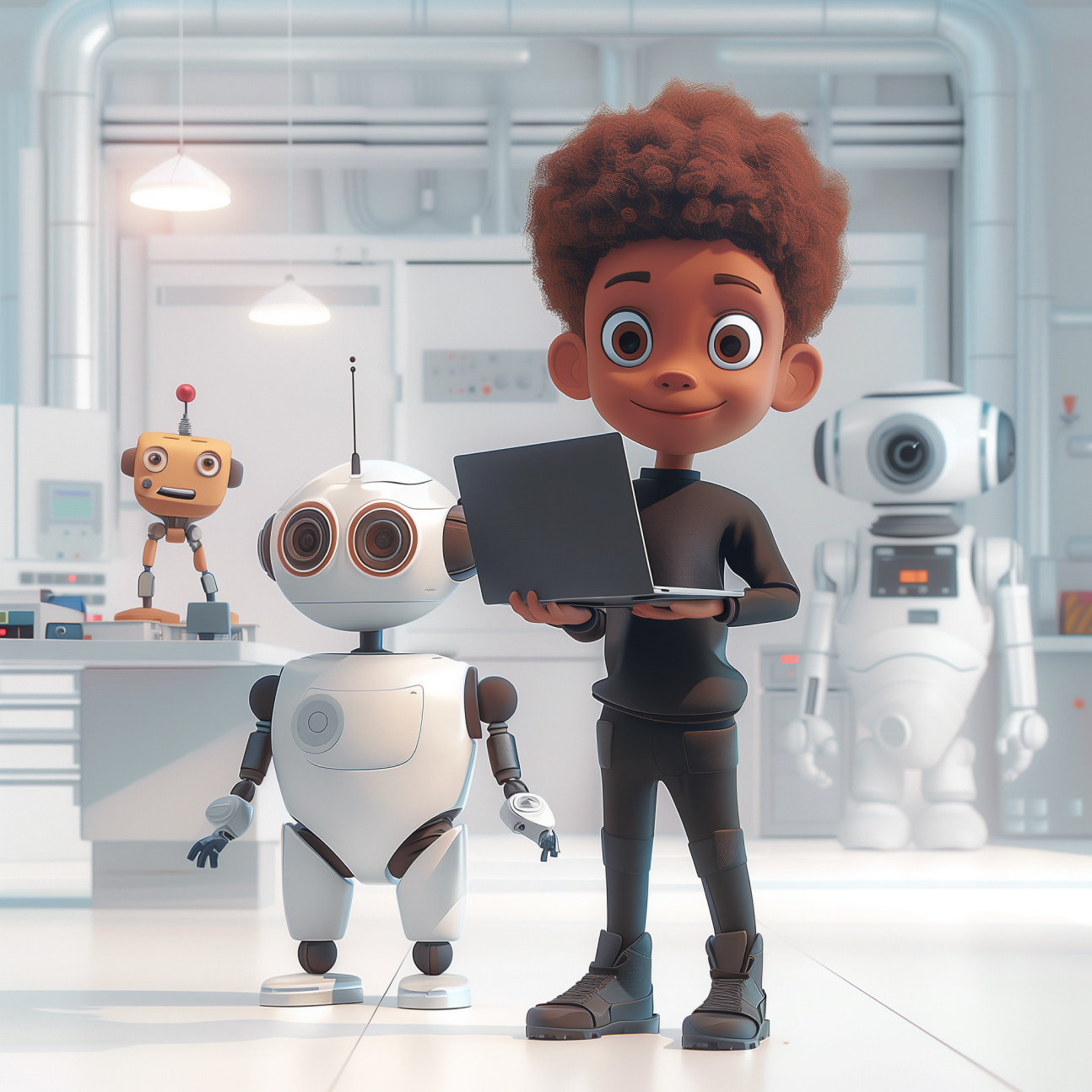
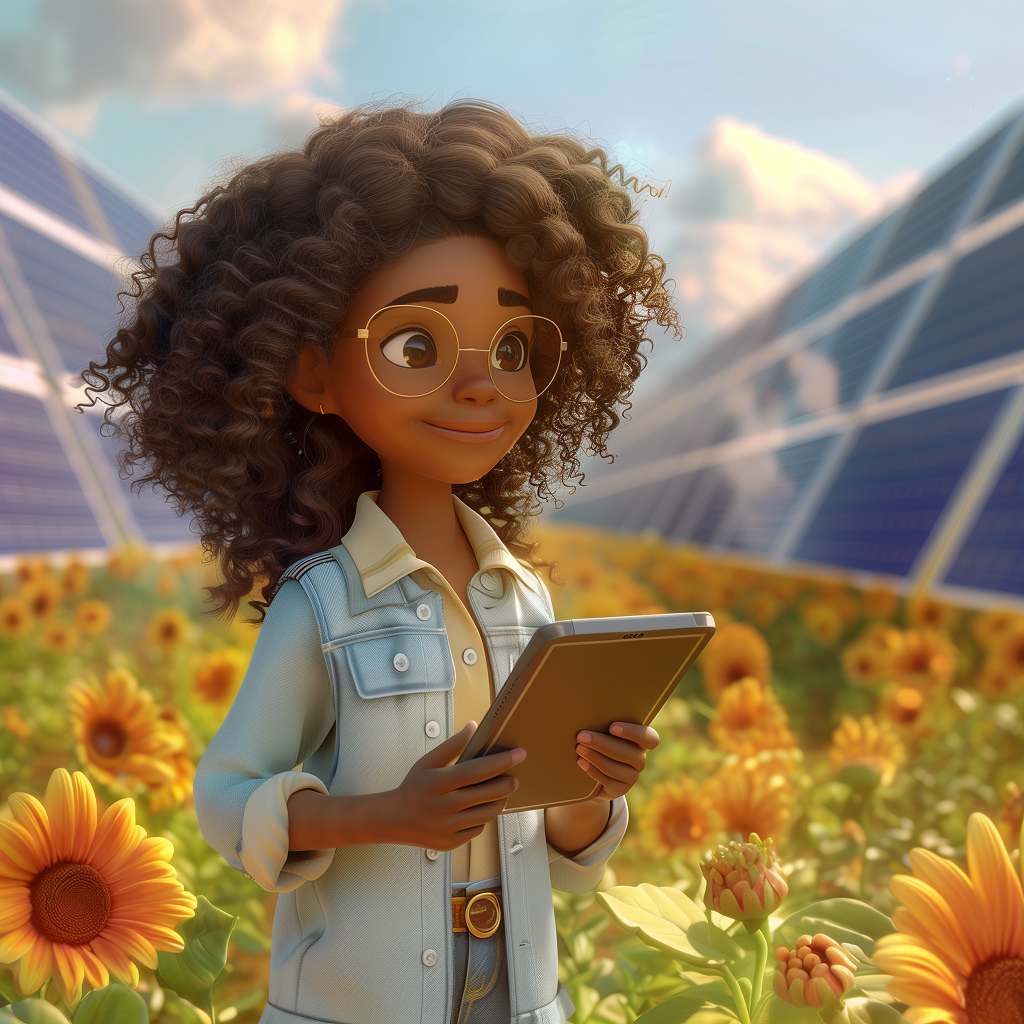
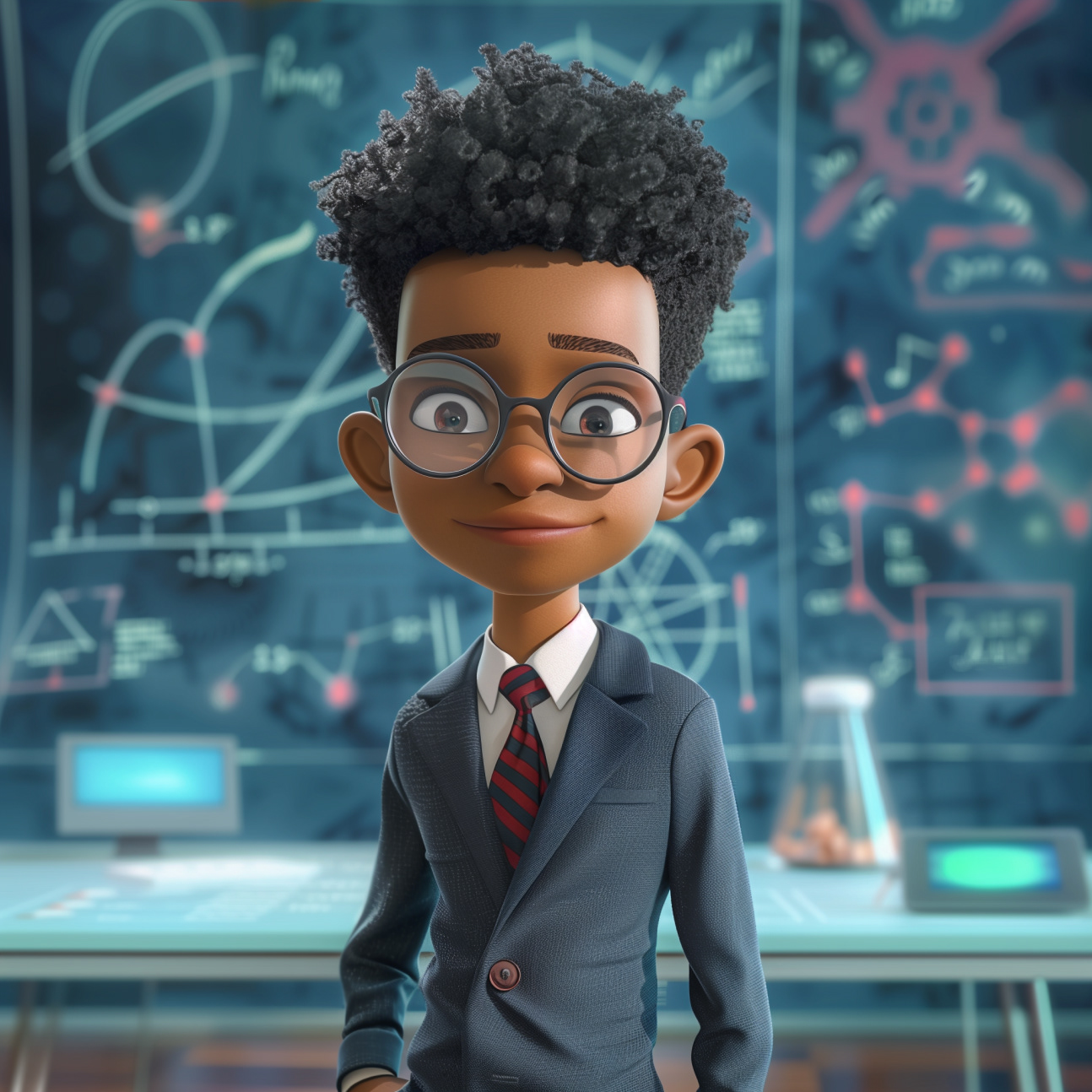
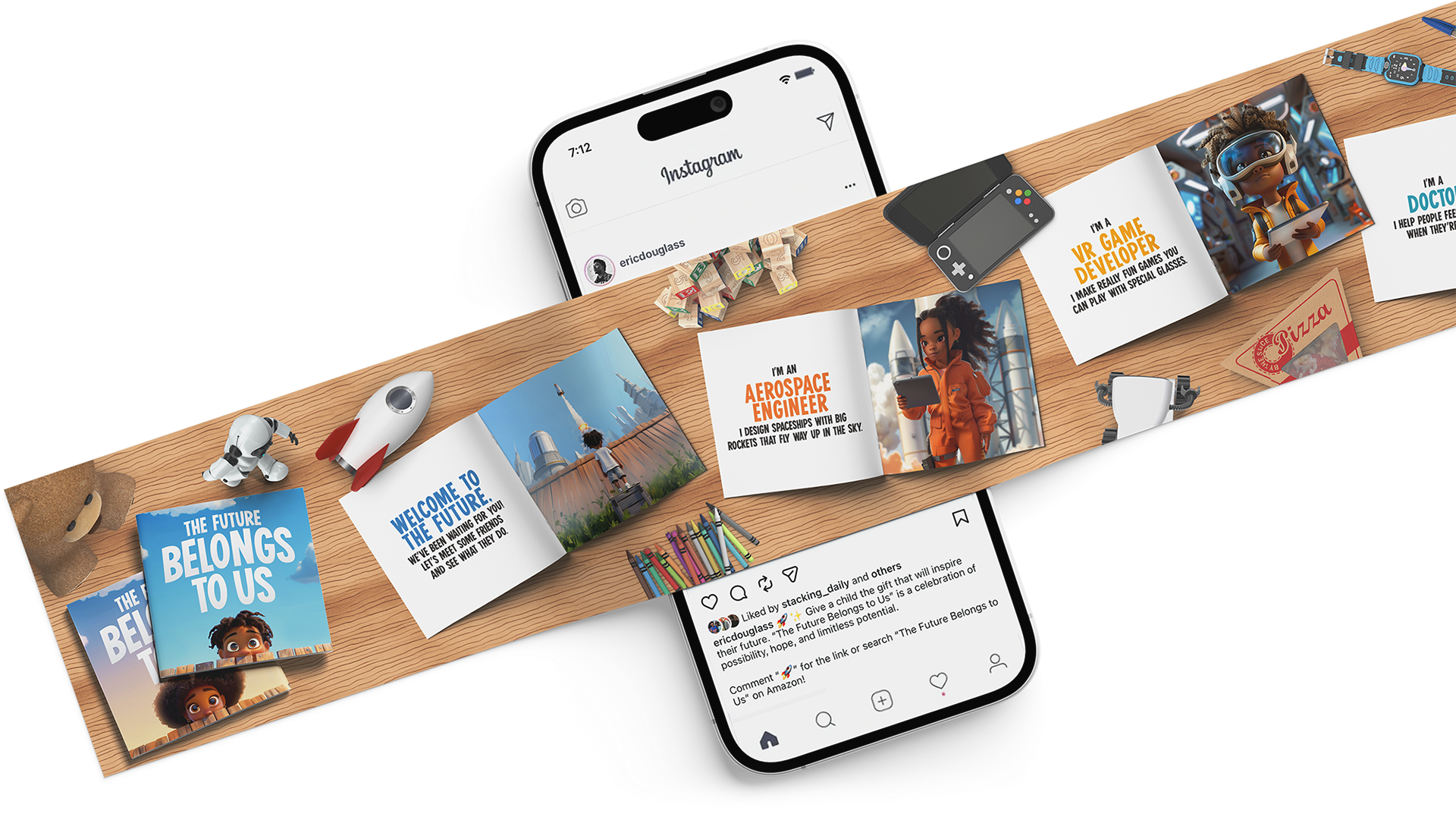
The project introduces a cast of young Black characters across STEM, creative, and community-driven roles, each designed to reflect a different vision of the future. At its core, the work is about expanding possibility and making those futures feel tangible at an early age.
The Opportunity
Most children’s content that features Black characters is rooted in present-day narratives or historical context. There is a gap when it comes to placing these same children in future-facing roles tied to innovation, technology, and leadership.
At the same time, generative AI is rapidly changing how creative work is produced, but many applications lack clear creative direction or cultural intention.
This project sits at the intersection of both. It explores how AI can be used with intention to create meaningful, culturally relevant storytelling rather than generic output.
The Approach
Narrative as the Anchor
The story and characters were developed first, with a focus on clarity, relatability, and emotional resonance. Each role is simplified into a concept a child can understand, while still pointing toward real-world careers.
The story and characters were developed first, with a focus on clarity, relatability, and emotional resonance. Each role is simplified into a concept a child can understand, while still pointing toward real-world careers.
Generative AI as an Exploration Layer
AI was used to rapidly explore visual possibilities, test character directions, and develop supporting content. This created speed and range without sacrificing authorship.
AI was used to rapidly explore visual possibilities, test character directions, and develop supporting content. This created speed and range without sacrificing authorship.
Creative Direction as a Filter
A defined visual and tonal direction ensured that outputs remained consistent and intentional. AI was treated as a tool within the process, not the source of it.
A defined visual and tonal direction ensured that outputs remained consistent and intentional. AI was treated as a tool within the process, not the source of it.
Translating Narrative Into Audience Touchpoints
Beyond the book, I developed marketing collateral to explore how the concept translates into real-world touchpoints. This included promotional assets, messaging, and visual storytelling designed to position the book as both a product and a cultural signal.
Beyond the book, I developed marketing collateral to explore how the concept translates into real-world touchpoints. This included promotional assets, messaging, and visual storytelling designed to position the book as both a product and a cultural signal.
The Outcome
This project demonstrates a way of working where generative AI enhances the creative process rather than replacing it. It highlights:
✔ The ability to move from idea to execution quickly
✔ The importance of strong creative direction when working with AI
✔ How storytelling can be used to create emotional and cultural relevance
✔ The importance of strong creative direction when working with AI
✔ How storytelling can be used to create emotional and cultural relevance
More broadly, it reflects a shift in how original IP can be developed. Faster, more iterative, and more aligned with specific audiences from the start.

Core Competencies
✔ Creative Strategy and Direction
✔ Generative AI Integration
✔ Narrative Development
✔ Visual Systems Thinking
✔ Campaign and Content Design
✔ Creative Strategy and Direction
✔ Generative AI Integration
✔ Narrative Development
✔ Visual Systems Thinking
✔ Campaign and Content Design